August 9, 2026 · 5 min read
Are Padel Balls the Same as Tennis Balls?
Are padel balls the same as tennis balls? No. Padel balls are slightly smaller and hold less pressure, which changes how they bounce and play off the glass.
By The Padle Shop
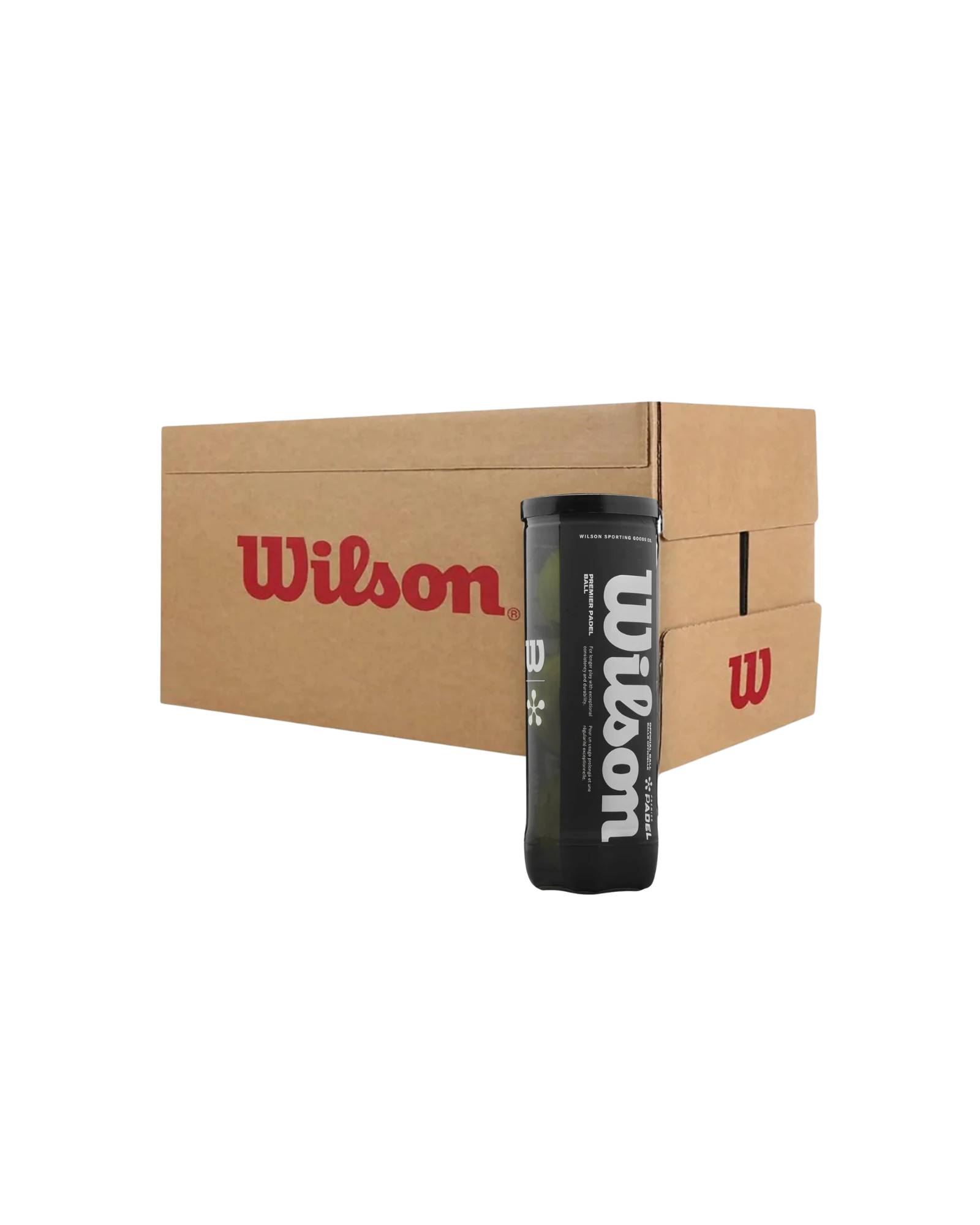
Are padel balls the same as tennis balls? No. They look alike, same yellow felt, same size at a glance, but padel balls are slightly smaller and carry less internal pressure, which changes the bounce. A padel ball sits lower and comes off the glass at a playable pace. A tennis ball is livelier, and on a padel court that liveliness works against you.
That is the short answer. Below are the actual numbers, what happens if you use a tennis ball anyway, how long a tube of padel balls lasts, and what pressurized versus pressureless means at the shelf.
What is the difference between padel balls and tennis balls?
Padel balls are a little smaller than tennis balls and hold roughly 10 to 11 psi of internal pressure, against about 14 psi in a tennis ball. Less pressure means a softer, lower bounce. The regulation bounce heights overlap, but in your hand and off the wall, the padel ball plays noticeably calmer.
Here are the regulation figures side by side:
| Spec | Padel ball | Tennis ball |
|---|---|---|
| Diameter | 6.35 to 6.77 cm | 6.54 to 6.86 cm |
| Internal pressure | Roughly 10 to 11 psi | About 14 psi |
| Bounce height (dropped from 2.54 m) | 135 to 145 cm | 135 to 147 cm |
On paper the gap looks small. On court it is not. Padel is played in a cage where the ball rebounds off glass, so a few psi decides whether a rally is playable or a pinball match. The felt and construction are nearly identical, which is why the two balls are so easy to mix up in a bag.
This post is only about the balls. If you want the full sport comparison, courts, rackets, scoring, and all, we cover that in padel vs tennis.
Can you use a tennis ball for padel?
Yes, for casual hitting. A tennis ball will not damage anything, and if it is all you have, warm up with it. But it plays too lively off the walls. The extra pressure makes rebounds faster and higher, points get chaotic, and you build habits around a bounce you will never see in a real match.
Your timing on wall shots, lobs, and smashes all calibrate to the bounce in front of you, and a tennis ball teaches you a bounce that does not exist in padel. Fine for a Sunday rally with kids. Not fine once you care about the result, and never legal in league or tournament play. The official padel rules specify the ball along with everything else.
New to the sport entirely? Start with our plain guide on what is padel and come back to the gear questions after.
What happens if you play padel with tennis balls?
The game speeds up in the wrong way. Balls fly off the back glass higher and faster, defensive shots become hard to control, and lobs carry long. Rallies get shorter and sloppier. You will also mis-time smashes for days afterward, because your eyes adjusted to a bounce padel balls do not produce.
On an open tennis court, a slightly bouncier ball just lands a little deeper. In a glass box, every rebound compounds. The lower pressure of a padel ball is not a quirk. It is what keeps the wall game playable.
How long do padel balls last?
For a regular player, a tube of pressurized padel balls lasts about three to five sessions before the bounce drops off. Competitive players open a fresh tube per match. Once a ball loses its pop, it sits low, dies off the glass, and drags the game down with it.
Pressure starts leaking the moment you crack the seal, so a tube opened last month is softer even if it was never hit. Heat and cold speed that up, so do not store balls in the car through a Canadian winter. A quick test: drop a ball from shoulder height. If it bounces back past your waist, it is fine. If it thuds, retire it to the dog. A tube typically runs about 8 to 12 CAD, so fresh balls are the cheapest upgrade in the sport.
Pressurized vs pressureless padel balls: which should you buy?
Pressurized balls are the standard. They play best, and they are what every match uses, but they fade after a few sessions. Pressureless balls get their bounce from a thicker rubber core instead of internal air, so they last months. The trade is feel: they play a bit heavier and deader.
For matches and any social game that counts, buy pressurized. For coaching baskets, ball machines, and solo wall drills, pressureless earns its keep, because consistency across hundreds of balls matters more than perfect feel. Plenty of players keep both: a fresh tube for game night, a bucket of pressureless for practice.
Whichever side you land on, our padel balls collection carries both, in stock in Canada and priced in dollars that do not surprise you at checkout.
Frequently asked questions
Can you use padel balls for tennis?
For casual hitting, yes, nothing bad happens. But the lower pressure makes them feel slow and short on a full tennis court, and they are not legal for sanctioned tennis play. Each sport plays best, and only counts, with its own ball.
Why do padel balls have less pressure than tennis balls?
Because of the walls. Padel is played in an enclosed court where the ball rebounds off glass, so a livelier ball would make rallies uncontrollable. Lower pressure keeps rebounds at a playable pace and keeps the wall game, the best part of padel, actually fun.
How can I tell a padel ball from a tennis ball?
By eye, you mostly cannot. Check the printing on the ball or the tube, since padel balls are labelled for padel. If the label is gone, squeeze both: the padel ball gives a little more. When in doubt, drop test them side by side and keep the softer one for the padel court.