July 6, 2026 · 5 min read
Padel vs Tennis: What Is the Difference?
Padel vs tennis, explained simply. How the courts, scoring, and rackets differ, why a tennis racket does not work in padel, and tips for switching over.
By The Padle Shop
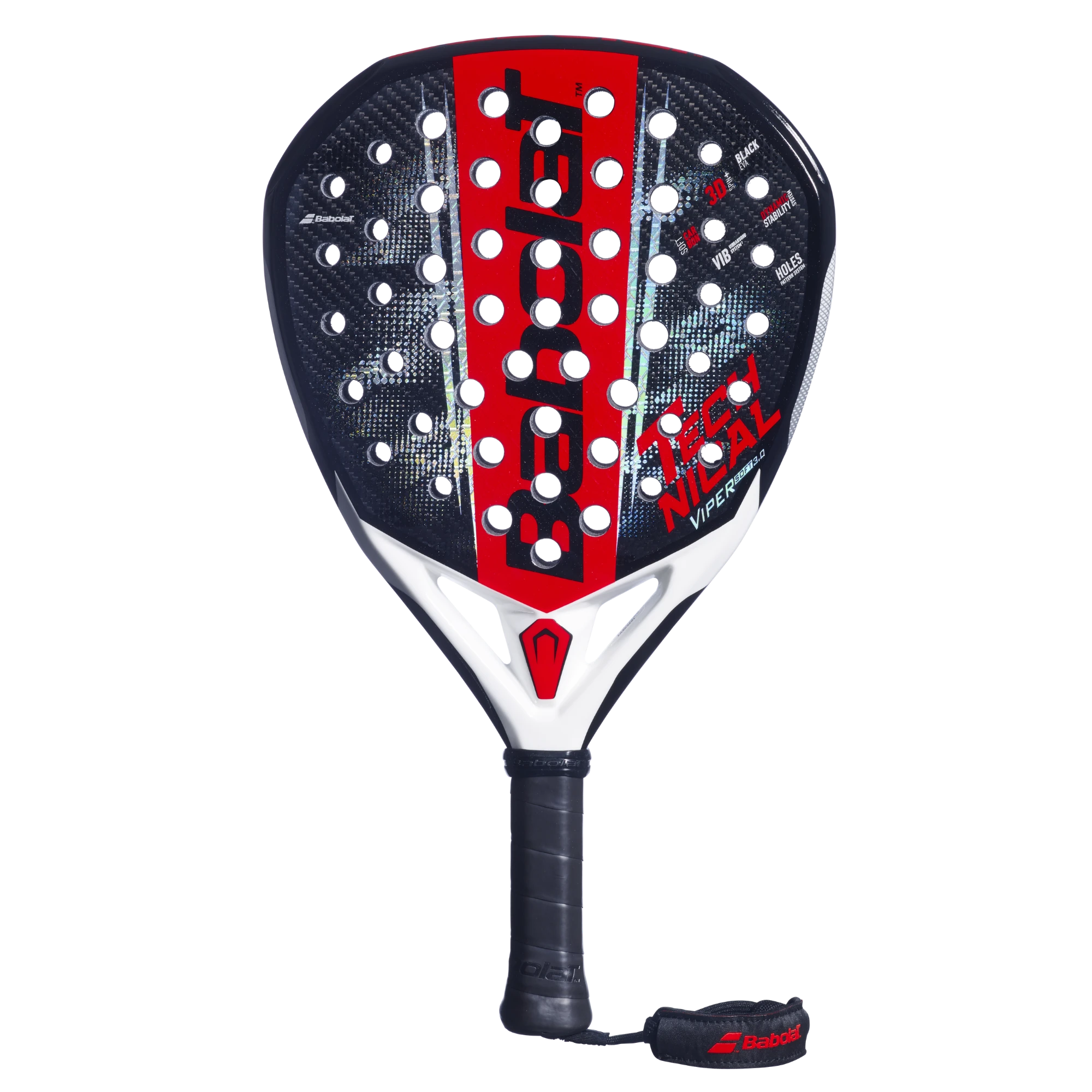
Padel vs tennis is a bigger gap than it looks. Padel is played on a smaller court, 20 metres by 10, closed in by glass walls that keep the ball alive. The scoring is almost the same, but the racket is solid with a foam core, and the game rewards patience over power.
Half the people walking into a padel club for the first time are tennis players. Some of what they know transfers beautifully. Some of it gets them in trouble. What follows is the map of what changes and what does not.
How is a padel court different from a tennis court?
A padel court is 20 metres long and 10 metres wide, enclosed by glass at the back and glass and mesh along the sides. A tennis court is longer and wider, and open. The difference in footprint is big enough that clubs can fit two or three padel courts in the space one tennis court takes up, run-back included.
The net is close to tennis height, just a little lower. The surface is usually artificial turf with sand in it, softer than a hard court and kinder to your knees.
The walls are the real difference. In tennis, a ball that passes you is over. In padel, it bounces, hits the glass, and comes back into play. Passing shots stop being winners. Points stretch out. The game becomes less about ending rallies and more about building them.
The scoring will feel familiar
Padel borrowed tennis scoring almost whole. Fifteen, thirty, forty, game. Six games wins a set, tiebreak at six all, best of three sets. Tennis players do not have to learn anything here.
The one change is at deuce. Most padel is played with a golden point, where 40-40 means one deciding point instead of advantage back and forth. The receiving team chooses which side takes the return. It compresses the drama of a long deuce game into a single rally, and after two matches you will like it.
The serve changes more. It is underhand. Bounce the ball, hit it at or below your waist, into the diagonal box. Your 180 kilometre serve is gone, and so is everyone else's. The serve in padel starts the point instead of trying to end it.
Padel rackets vs tennis rackets
They share a job and nothing else.
A tennis racket has a long handle, a strung face, and lives or dies by string tension. A padel racket is short, solid, and stringless. The face is carbon or fibreglass drilled with holes, the core is foam, and the whole thing is capped at 45.5 centimetres long by the official rules. It also has a wrist strap you are required to wear, because the court is small and the walls are close.
The ball is different too, though you might not notice at first. Padel balls look like tennis balls with slightly less pressure, so they come off the walls at a playable pace instead of rocketing around the cage.
Can you play padel with a tennis racket?
No, and it is not just a rules problem, though it is also a rules problem. A tennis racket is too long to be legal on a padel court, and no club will let it through the door.
It would not work anyway. Padel is built around a solid face and a foam core. Strings trampoline the ball, which is exactly what you want on a full-size tennis court and exactly what you do not want when the back glass is three steps behind your opponent. The solid face gives you a shorter, more controlled response, and the short handle lets you play the quick net exchanges and wall rebounds that make up most of the game. A tennis racket on a padel court is a boat on a go-kart track.
If you are coming from tennis, start with a round racket. The sweet spot sits in the middle and forgiveness is high, which is what you want while your swing shortens. Our round padel rackets are the natural first stop, and our guide on how to choose a padel racket covers shape, weight, and materials without the jargon.
Is padel easier to learn than tennis?
Yes, clearly. Tennis has a long beginner phase. The court is big, the serve is hard, and mishits fly everywhere, so new players spend their first months collecting balls instead of playing points. Padel skips most of that. The underhand serve means everyone can start a point. The small court means less ground to cover. The walls rescue the shots that would have been errors.
A brand new player has real rallies in their first hour of padel. That is not a claim tennis can make, and tennis people know it.
Easier to learn does not mean shallow. The wall game alone, reading rebounds, playing off the glass, defending with lobs, takes years to master. Padel moves the difficulty from the start of the journey to the middle of it, which is exactly where difficulty is fun.
Tips for tennis players trying padel
Your instincts are an asset and a liability. A few adjustments save you weeks:
- Shorten your swing. The court is small and the ball comes back fast. A compact punch beats a full tennis stroke almost everywhere.
- Let it go past you. The hardest habit to break. A ball beaten past you is not lost. Turn, follow it to the glass, and play the rebound.
- Lob more than feels reasonable. The lob is a throwaway shot in tennis. In padel it is a weapon that moves teams off the net.
- Take less power. Smashing every high ball into the glass hands your opponents easy rebounds. Placement first, pace later.
- Get proper shoes. Turf with sand rewards a padel or clay-court pattern. Our padel shoes grip where runners slide.
Your volleys, your reading of the game, and your doubles habits all transfer straight across. Most tennis players are dangerous within a month.
Padel is not tennis made small, and it is not trying to be. It is its own game that happens to speak the same scoring language. Try one hour on the glass and you will understand why so many tennis players now keep a second racket in the bag.