July 14, 2026 · 8 min read
How to Choose a Padel Racket: The Complete Guide
Not sure how to choose a padel racket? This guide covers shape, weight, core, face material, level, and CAD prices so you buy right the first time.
By The Padle Shop
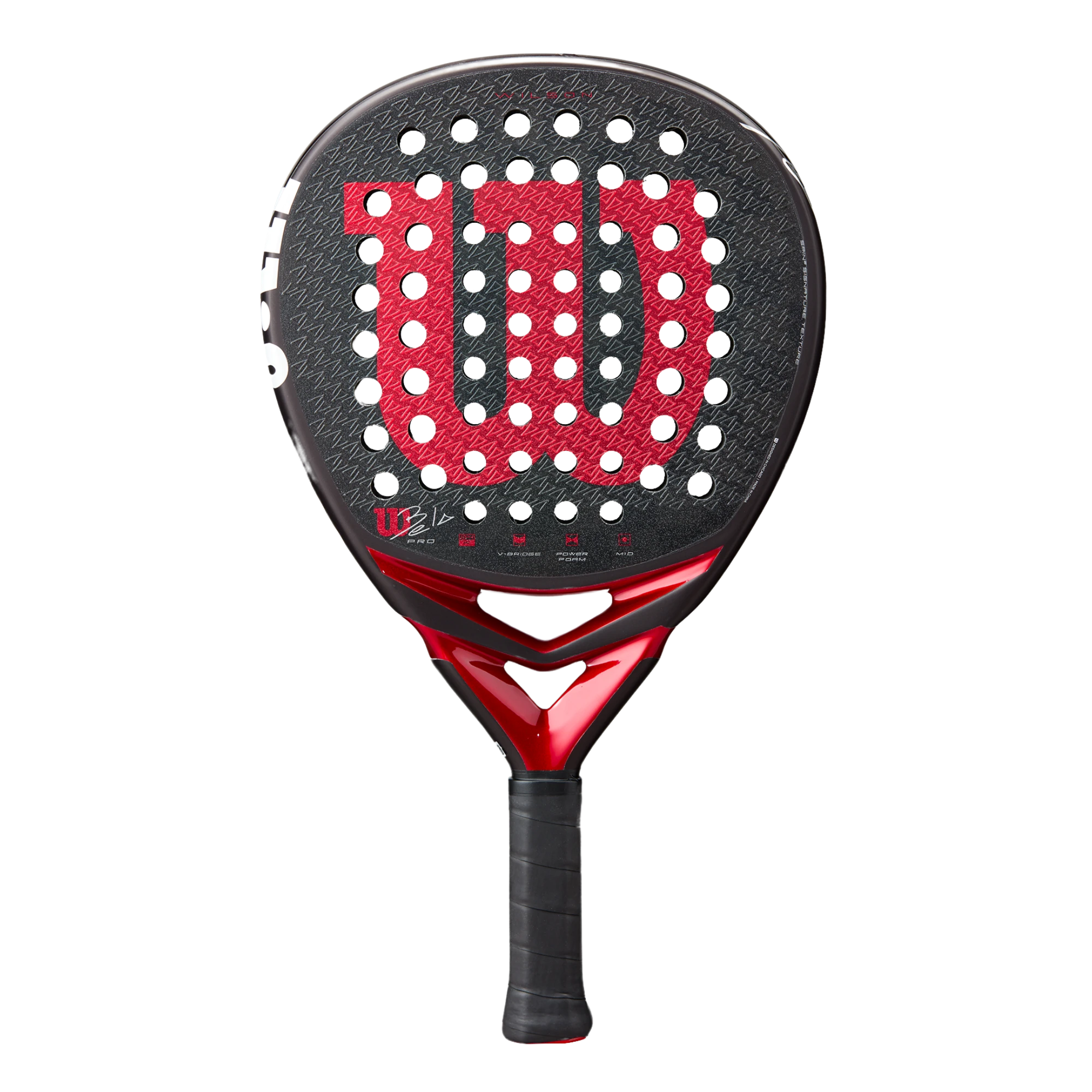
Learning how to choose a padel racket comes down to five things: shape, weight, core, face, and your level. Most players do best with a round or teardrop racket around 360 grams, a soft core, and a fibreglass or 3K carbon face. Expect to pay $120 to $350 CAD for a racket that fits.
That is the short answer. The long answer is below, and it takes about ten minutes to read. A racket is the one piece of gear you touch on every point. Get it right and the game feels easier. Get it wrong and you fight your own equipment for a year.
One thing before we start: you do not need the racket a pro uses, you need one that fits how you play right now.
Start with the shape
The shape sets where the sweet spot sits. The sweet spot is the part of the face that feels easy to hit with. Everything else about a racket matters less than this.
- Round rackets put the sweet spot in the middle of the face. It is big, it is forgiving, and off-centre hits still go where you aimed. Round rackets are the safe pick for most players.
- Teardrop rackets move the sweet spot a little higher. You get more power on smashes and still keep decent control. Teardrop rackets are the natural second racket.
- Diamond rackets push the sweet spot near the top. Hit it clean and the ball flies. Miss it and the racket punishes you. Diamond rackets reward strong technique and not much else.
For a fuller comparison of the three, see our guide to padel racket shapes. If you are unsure, pick round. Nobody ever lost a match because their racket was too easy to hit with.
Weight and balance change how it swings
Most adult rackets weigh between 350 and 375 grams. That range sounds small. On court it is not.
A racket around 350 to 360 grams moves fast, defends well, and is kind to your elbow. A racket at 370 grams or more adds punch to your smash but gets slow at the net and heavy by the third set.
Balance matters as much as weight. Two rackets can weigh the same and feel completely different. A head-heavy racket swings like a hammer. Good for smashes, tiring for everything else. A balanced or head-light racket feels quick in your hand and easier to block with.
Pick a racket that fits the arm you have now, not the player you want to be later.
If you have ever had tennis elbow, go light and go balanced. No amount of extra power is worth playing hurt.
Soft core or hard core?
Inside every padel racket is a block of EVA foam. How firm that foam is changes the whole feel of the racket.
A soft core squeezes when the ball lands. The ball sinks in, then springs out. That gives you easy depth on slow swings, which is exactly what club players need. It also feels comfortable, because the foam soaks up the shock instead of your arm.
A hard core barely gives at all. On a slow swing the ball comes off flat and short. On a fast swing it comes off like a shot. Hard cores reward players who already generate their own speed.
There is a Canadian wrinkle here too. Foam stiffens in the cold. A hard core in a chilly bubble court in February feels like hitting with a board, so if you play in unheated courts, a soft core is the safer choice year-round.
Fibreglass or carbon face?
The face is the flat surface that meets the ball. It comes in two main materials, and one of them comes in grades.
Fibreglass is soft and springy. It flexes on contact and helps the ball out. It is cheaper, it is comfortable, and it is the right face for most new players. Its weakness is lifespan. Fibreglass loses its pop faster than carbon.
Carbon is stiffer and more precise. You will see it graded as 3K, 12K, or 18K. The number counts the threads in each strand of the weave. Higher numbers mean a stiffer, harder face. As a rough guide:
- 3K is the softest carbon. A good middle ground between fibreglass comfort and carbon control.
- 12K is firm and direct. You feel exactly where the ball hit. Popular with strong intermediate and advanced players.
- 18K is the stiffest common weave. Maximum feedback, minimum help. If you have to ask whether you need it, you do not.
Do not pay extra for a higher K number thinking it means better. It means stiffer, and stiffer only helps if your swing is fast enough to use it.
Match the racket to your level
Be honest with yourself here. It saves money and frustration.
New player, or first year of padel. You want a round shape, a soft core, a fibreglass or 3K face, and a weight near 355 grams. Every racket in our beginner collection fits that brief. Spend modestly. Your first racket teaches you the game, then you outgrow it. That is how it should work.
Playing weekly for a year or more. You place the ball on purpose now. You want a bit more power without giving up the forgiveness. A teardrop with a soft or medium core, in 3K or 12K carbon, is the sweet spot. Start with the intermediate collection.
Competitive player. You know your game and what it needs. Diamond or hard teardrop, firmer core, 12K or 18K face. The advanced collection is built for you, and you already knew that.
The most common sizing mistake in padel is not buying too cheap, it is buying two levels up because the racket looked serious.
What should you spend in Canada?
Padel rackets are priced in a wide band, and in Canada the exchange rate stretches it further. This is what the money gets you in CAD:
- $100 to $180. Entry rackets. Fibreglass faces, soft cores, round shapes. Simple tools that do the job. A new player does not need more than this.
- $180 to $320. The best value band in padel. Real carbon faces, better foam, quality control from the big brands. Most club players should shop here and nowhere else.
- $320 to $650. Pro-level frames. Superb if your game can use them, wasted if it cannot. The racket does not carry the player at this price. It just stops holding back a player who is already good.
A $600 racket in the hands of a beginner plays worse than a $150 one, because it is stiffer, less forgiving, and harder on the arm. Price buys performance ceiling, not performance.
Does the brand matter?
Less than the marketing says, more than zero. The big names, Adidas, Head, NOX, Babolat, Wilson, Siux, all make excellent rackets and all make ordinary ones. A brand's top frame and its entry frame share a logo and not much else.
What the established brands reliably give you is quality control. The foam density matches the spec, the face is bonded properly, and the frame survives its first accidental wall scrape. No-name rackets from marketplace sellers gamble on all three, and a delaminated face two months in erases whatever you saved.
So buy a real brand, but buy the right model within it. A mid-range Head that fits your game will serve you better than a flagship Adidas that does not.
Grip size is the free upgrade
One more detail before the mistakes, because it costs almost nothing and changes a lot. Most rackets ship with a thin factory grip. Most players add one or two overgrips on top.
A thicker handle steadies the racket in your hand and calms down a twitchy wrist. A thinner one gives more feel and wrist snap. If a racket feels almost right, try changing the grip before you blame the frame. At a few dollars an overgrip, it is the cheapest tuning in the sport, and worn grips are also the most common cause of a racket that suddenly feels wrong.
Common mistakes when buying
We see the same five mistakes over and over. All of them are avoidable.
- Buying your favourite pro's racket. Pros swing faster than you and get their frames re-tuned constantly. Their racket is built for their swing, not yours.
- Chasing power. Padel is a control game. The lob, the block, and the slow ball win more club matches than the smash ever will.
- Ignoring arm health. A stiff, head-heavy racket is the fastest route to elbow pain. If your arm aches after play, the racket is part of the problem.
- Paying for carbon grades you cannot feel. Below a certain swing speed, 18K and 3K behave the same for you. Save the difference.
- Buying two levels up "to grow into it." You will not grow into it. You will develop bad habits swinging a racket that does not help you, then buy the right one anyway.
A simple way to decide
Strip everything above down to three questions. How long have you played? Round if under a year, teardrop if more. Does your arm ever hurt? Go lighter and softer if yes. What can you spend? Stay inside the band for your level and buy the best racket in it.
That is the whole method. If you want specific models to shortlist, our picks for the best padel rackets in Canada cover every price band. And if you want to see everything in one place first, our full racket collection is sorted by shape, level, and price, so the filters do the work this guide just described.