July 12, 2026 · 6 min read
Padel vs Pickleball: What Is the Difference?
Padel vs pickleball, compared in full. The courts, gear, rules, cost, and fitness demands, plus which of the two sports actually fits you in Canada.
By The Padle Shop
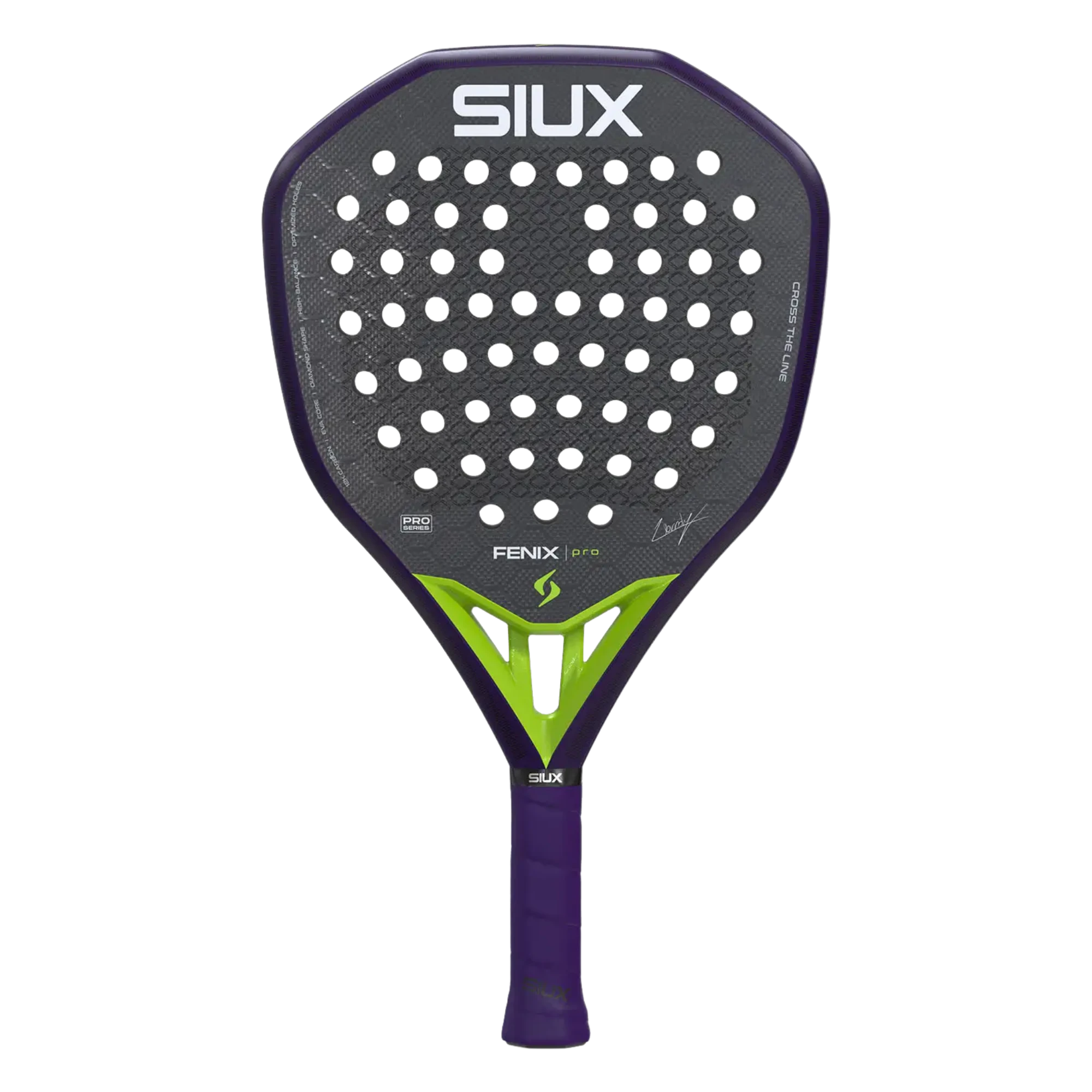
Padel vs pickleball comes down to this. Pickleball is a small open court, a plastic ball, and a game built on placement, so it is the easiest sport to start. Padel is a bigger enclosed court with walls in play, tennis scoring, and longer, faster rallies. Both are fun. They suit different people.
The two get mixed up constantly, and that is fair. Both are doubles-first racket sports that grew like weeds while nobody was looking. But stand on the two courts for five minutes each and you will never confuse them again. The full comparison is below.
The courts are nothing alike
A padel court is 20 metres by 10, roughly two thirds the length of a tennis court, and it is enclosed. Glass walls at the back, glass and metal mesh on the sides. The walls are in play, so the ball rebounds and rallies keep going. You need a purpose-built court, which is why padel arrives city by city as clubs get built.
A pickleball court is 20 feet by 44 feet, about the size of a badminton court, and open. No walls. The net is a touch lower than a tennis net, and there is a seven foot no-volley zone on each side of it, called the kitchen, where you cannot hit the ball out of the air.
Even the nets tell the story. A pickleball net sits at 36 inches at the sidelines and dips to 34 in the middle. A padel net sits at 88 centimetres in the centre, close to tennis height. Pickleball plays low and flat. Padel plays over a real net with real height to work with.
This is the root of everything else. Pickleball courts are cheap to make. Paint lines on any gym floor or old tennis court and you are playing. Padel needs glass, steel, and turf. That cost difference explains why pickleball spread faster in Canada, and why padel courts feel like a treat when your city gets them.
Padel gear vs pickleball gear
A padel racket is solid with no strings, built from carbon or fibreglass around a foam core, with holes through the face. It comes with a wrist strap, which the rules require you to use. Padel balls look like tennis balls with slightly less pressure, so they play well off the walls.
A pickleball paddle is a flat, rigid board, smaller and lighter than a padel racket, with a smooth face. The ball is hard plastic with holes in it, like a wiffle ball. It flies slower and does not bounce much, which keeps rallies at a friendlier pace.
Both sports are cheap to gear up for compared to hockey or golf. A decent starter paddle or racket, a tube of balls, court shoes, done. If padel is calling you, our beginner padel rackets are picked for exactly this moment, and our guide on how to choose a padel racket explains the shapes and weights in plain terms.
How do the rules compare?
Padel scores like tennis. Fifteen, thirty, forty, game, six games for a set, usually best of three sets. The serve is underhand after one bounce, hit diagonally. The walls are live, so a ball that passes you comes back off the glass and the point continues.
Pickleball has its own system. Games go to 11 points, win by two, and in the classic rules only the serving team can score. The serve is underhand too. The two-bounce rule makes each side let the ball bounce once before anyone can volley, and the kitchen keeps players from camping at the net and smashing everything.
Neither rulebook is hard. Pickleball's is quicker to absorb in your first game. Padel's is more familiar if you have ever played or watched tennis, and the wall rules take one session to get used to.
Which sport is more athletic?
Padel, and it is not close. The court is bigger, the ball is faster, the rallies run longer, and the walls mean points do not end when you get beaten. You sprint, recover, turn, and chase rebounds. A padel match is a real workout, closer to tennis or squash in effort.
That is not a knock on pickleball. It is the point of pickleball. The small court and slow ball mean less running and less strain on knees, shoulders, and hips. People play well into their seventies and eighties, and people recovering from injuries play it when tennis is off the table. Low impact is a feature, not a flaw.
So be honest about what you want. If you want to sweat and chase, padel will feed you. If you want a game you can play four times a week at any age, pickleball is built for that.
What does it cost to start?
Pickleball is cheaper, full stop. Paddles start low, plastic balls cost almost nothing, and many courts are free public ones in parks and community centres. You can try pickleball this weekend in most Canadian towns for the price of a paddle.
Padel costs more mainly because of the court. Clubs charge by the hour, split four ways, and prices vary by city. Rackets run a bit more than paddles, though a good beginner racket does not need to break the bank, and most clubs rent gear so your first sessions can cost nothing but court time.
Neither sport will hurt your wallet the way ski season does. But if budget is the deciding factor, pickleball wins.
Which sport is bigger in Canada?
Pickleball, by a wide margin. It has been one of the fastest growing sports in the country for years, with courts in nearly every town, active clubs, and leagues for every age. If you want to find a game within twenty minutes of your house today, pickleball is the safer bet almost anywhere in Canada.
Padel is the newer arrival. Courts are concentrated in and around the big cities, Toronto, Montreal, Vancouver, and Calgary, with new clubs opening steadily. Globally the picture flips. Padel is huge in Spain, Argentina, and across Europe and the Middle East, with tens of millions of players worldwide. Canada is catching up to the world, not the other way around.
Padel or pickleball: which one is for you?
Pick pickleball if you want the lowest barrier there is. Cheap gear, free courts, gentle on the body, easy to find players everywhere in Canada. It is the easiest racket sport to start and one of the most social.
Pick padel if you played tennis, squash, or badminton and miss the feeling of a real rally. The walls add a layer of thinking that no other racket sport has, the pace scratches a competitive itch, and the doubles format keeps it social. It costs a little more and takes a little longer to learn, and it repays both.
Age matters less than people assume, in both directions. There are seventy year olds playing sharp padel because the underhand serve and small court do most of the running for you, and there are twenty year olds obsessed with pickleball because the strategy is deeper than the plastic ball suggests. Do not pick your sport off a stereotype. Pick it off which court you walked away from grinning.
Better yet, try both. They are different enough that plenty of people keep the two in rotation. If padel wins you over, start with a round racket that is easy to control, read our racket guide, and book a court. The first hour will tell you everything.